Designing a garden? The biggest benefits of a green garden
A green garden provides water retention, cooling, biodiversity, and a healthier living environment. When designing a garden, it's important to consider functions, planting, climate adaptation, and the location's characteristics.
More and more people are discovering the importance of greenery in their living environment. Not only because a garden full of plants, trees, and flowers looks beautiful, but also because it contributes to a healthier and more sustainable world. But what exactly are the benefits of a green garden? And what should you consider when creating a garden design?
Why a green garden is essential in every design
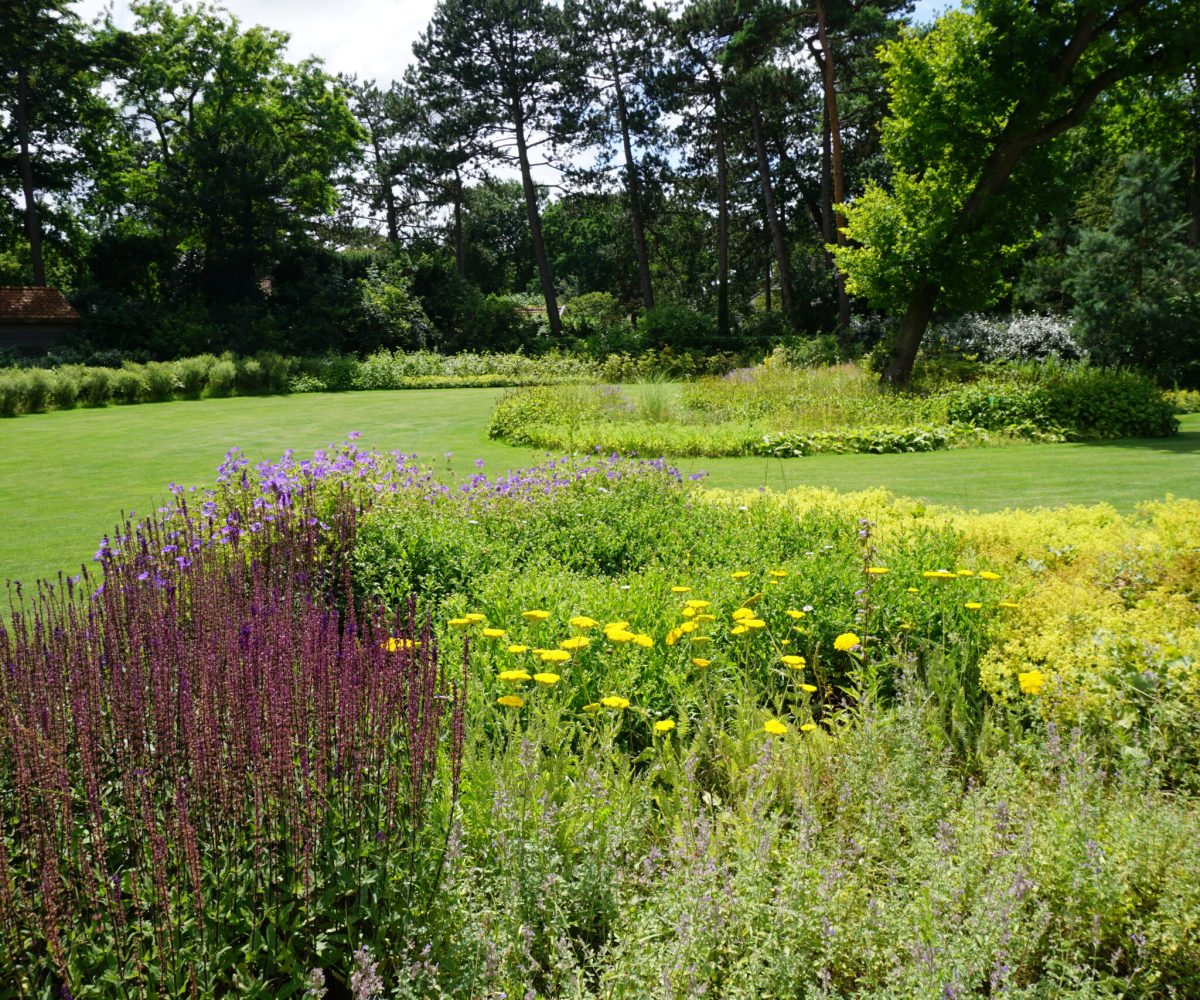
A green garden has more benefits than you might think. The first thing that comes to mind for many people is that greenery looks attractive and inviting. And that's true. But there's much more to it than meets the eye. Planting contributes to a healthier living environment, a better climate, and plays a major role in climate adaptation (adapting the living environment to climate change). More greenery means, among other things:
- Collecting and retaining rainwater: Greenery prevents flooding by absorbing rainwater and gradually allowing it to seep into the soil.
- Cooling in the summer: Plants and trees provide natural cooling through evaporation, which lowers the ambient temperature.
- Sun protection and shade: Cleverly placed plants provide natural sun protection and keep outdoor spaces pleasant on warm days.
- Biodiversity: A green garden attracts birds, bees and butterflies and enhances biodiversity in the area.
- Sound insulation: Plantings dampen noise from traffic or neighbors, thus creating more peace and privacy.
- Reduction of CO2 in the air: Plants purify the air by absorbing CO₂ and releasing oxygen, which contributes to a healthier climate.
- Improving mental health: A new study by Stanford's Natural Capital Project (NatCap) and the Leiden University it turns out that nature can help with stress, anxiety and depression.
At Buro Mien Ruys, we incorporate these developments into all our designs, for both the climate and people.
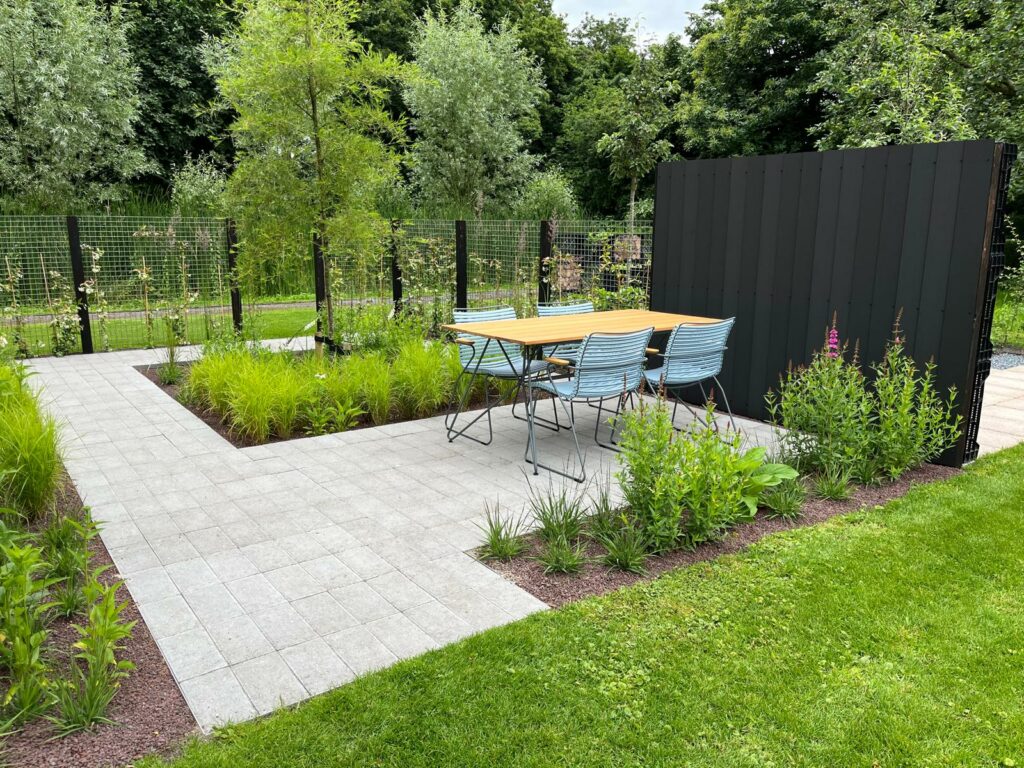
What types of gardens are there and what should you pay attention to?
Greenery plays an important role in any garden design. But what should you consider? And what are the different types of gardens? First, determine what kind of garden you're dealing with: is it a small or large garden? A company garden or a private garden? A schoolyard or a garden at a healthcare facility?
In addition, gardens can have different functions. For example, the design of a display garden is different from that of a utility garden. Examples of functions include:
- Recreation; A square or a park
- Stay; A terrace
- Playing; schoolyard or playground
- Relax; courtyard
- Sports; exercise garden
The type of planting in a garden also needs to be taken into account. For example, you can't plant poisonous berries in a schoolyard. Or, plants along roads need to be resistant to road salt. So, there are many factors to consider.
The process of designing
Designing a garden is a process that combines feeling, insight, and experience. It's not just about creativity in creating beautiful combinations, but also about knowledge of planting and maintenance. Using the right plant in the right place makes a design successful. This requires extensive knowledge of the plant's requirements for moisture, soil type, light, and how they develop.
The design process begins with a preliminary design, in which we determine the initial layout and boundaries. This is followed by a preliminary design, in which we specify materials, such as the use of wooden posts. We then develop this into a final design with exact heights and dimensions. The garden design is further detailed at each stage.
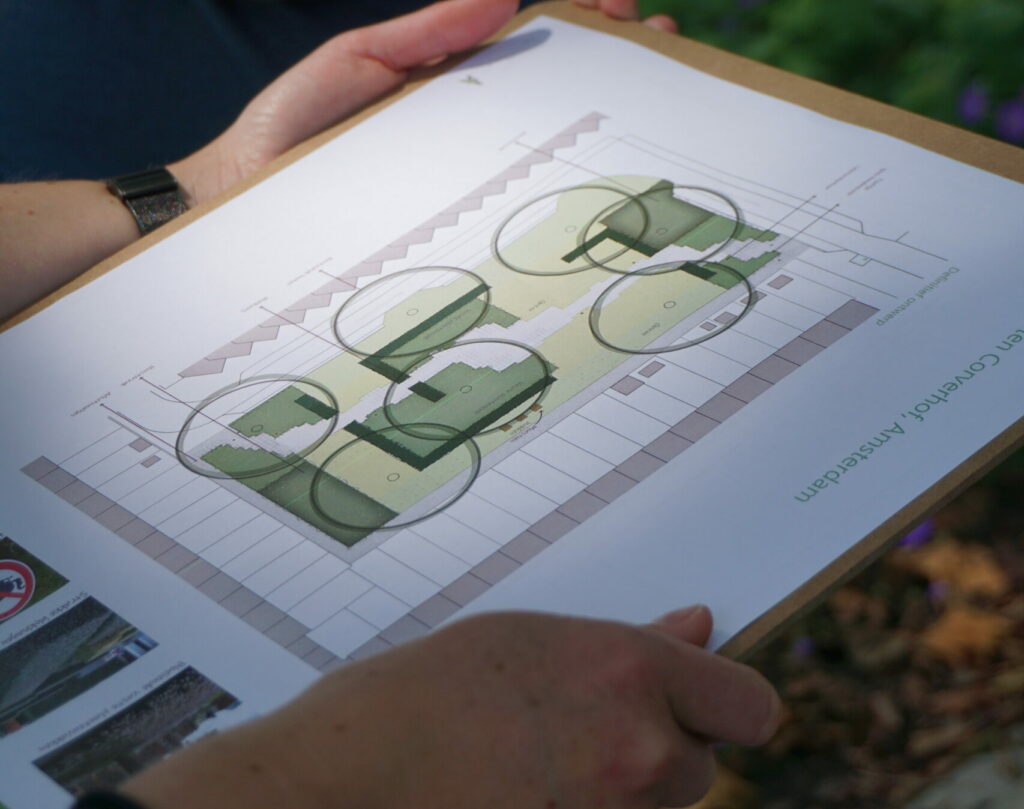
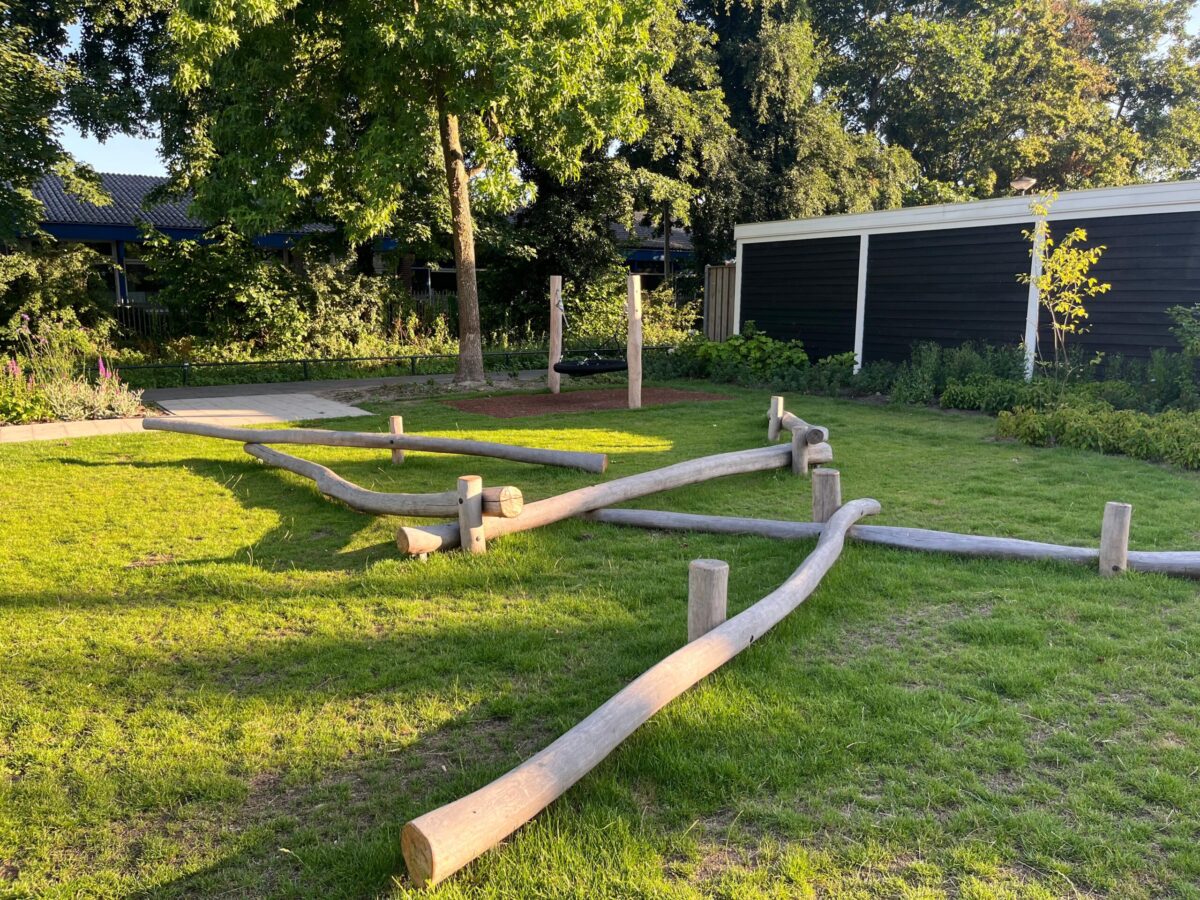
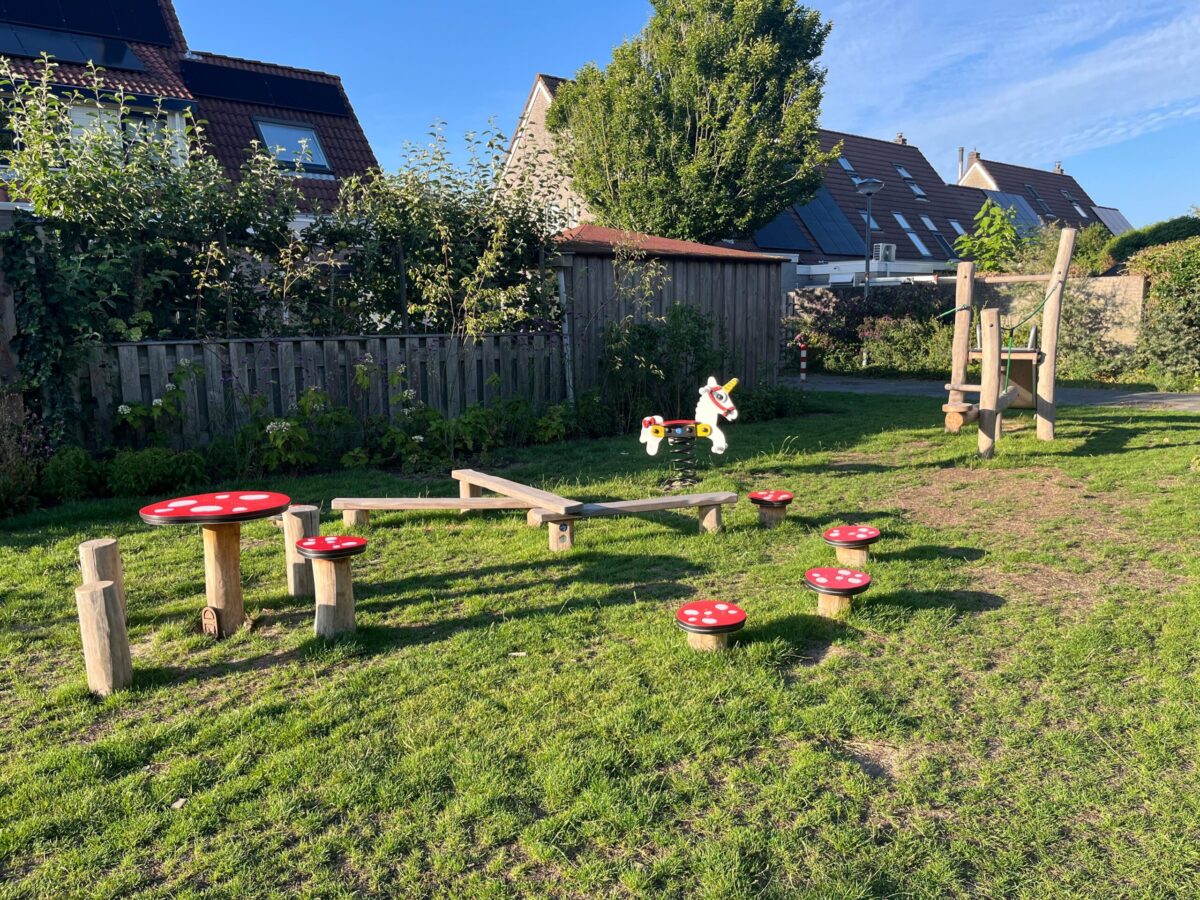
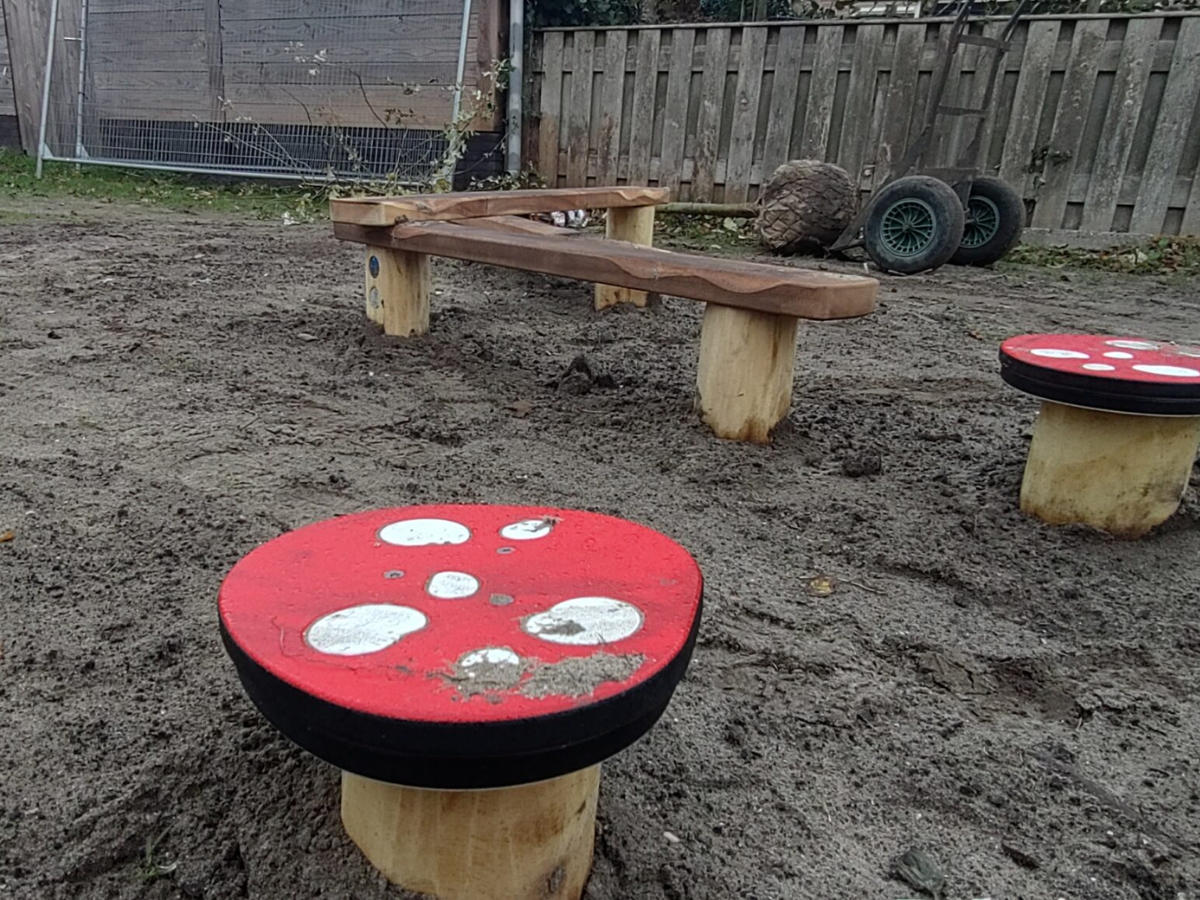
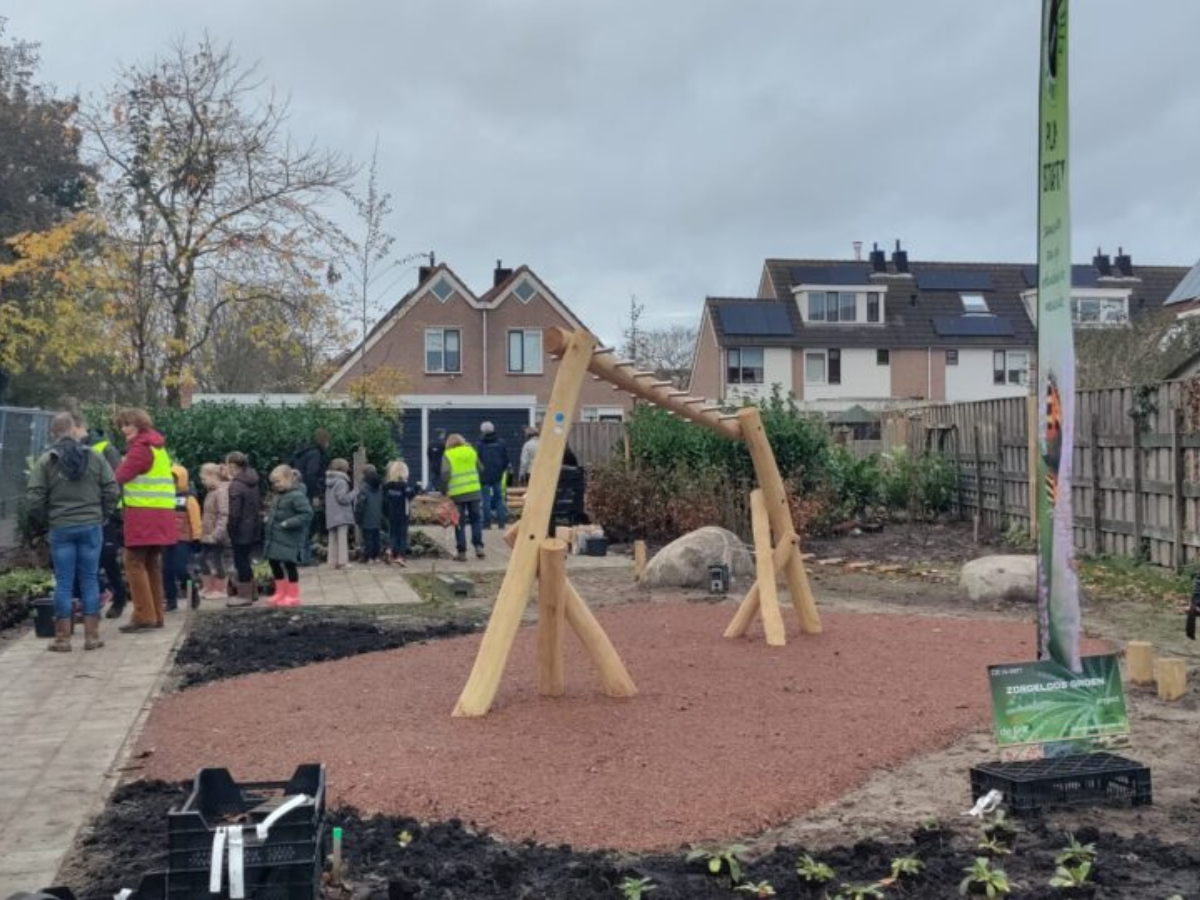
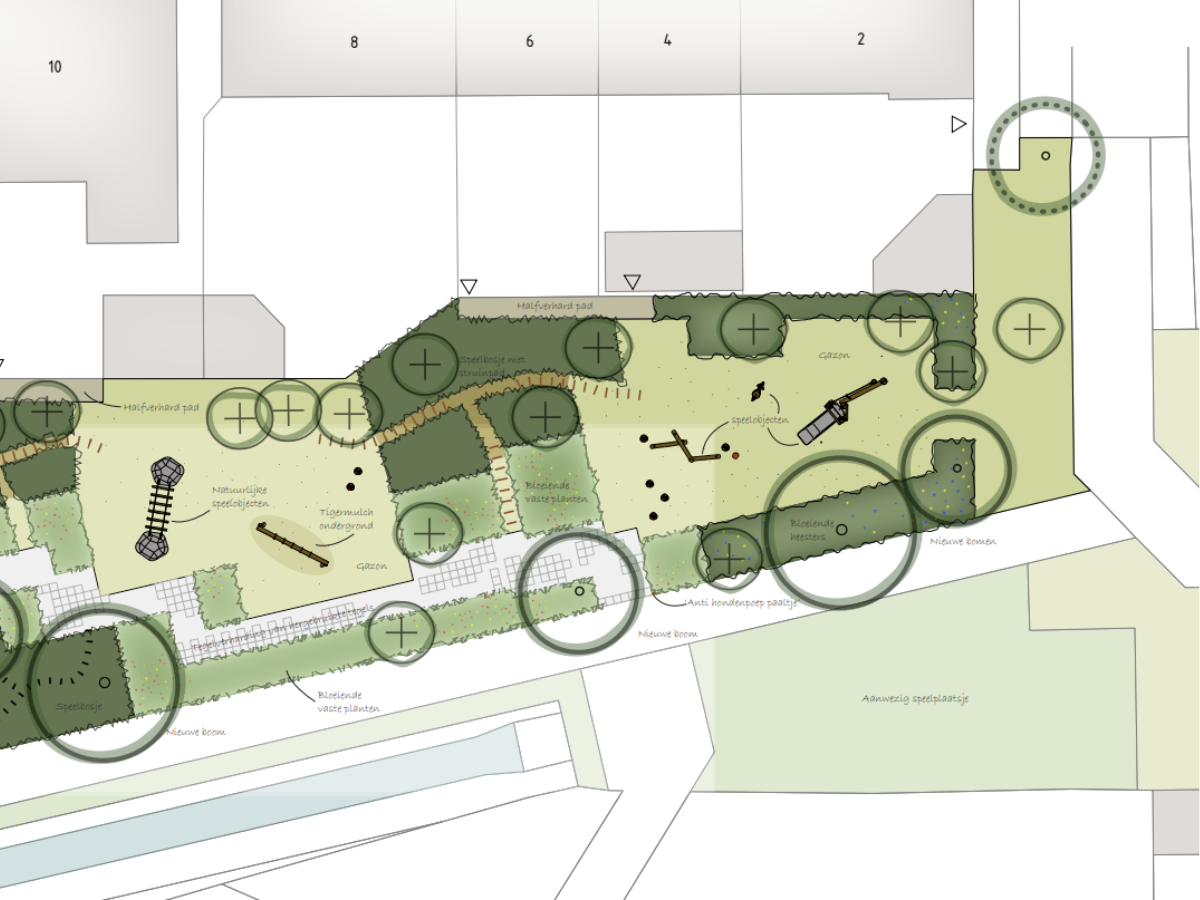
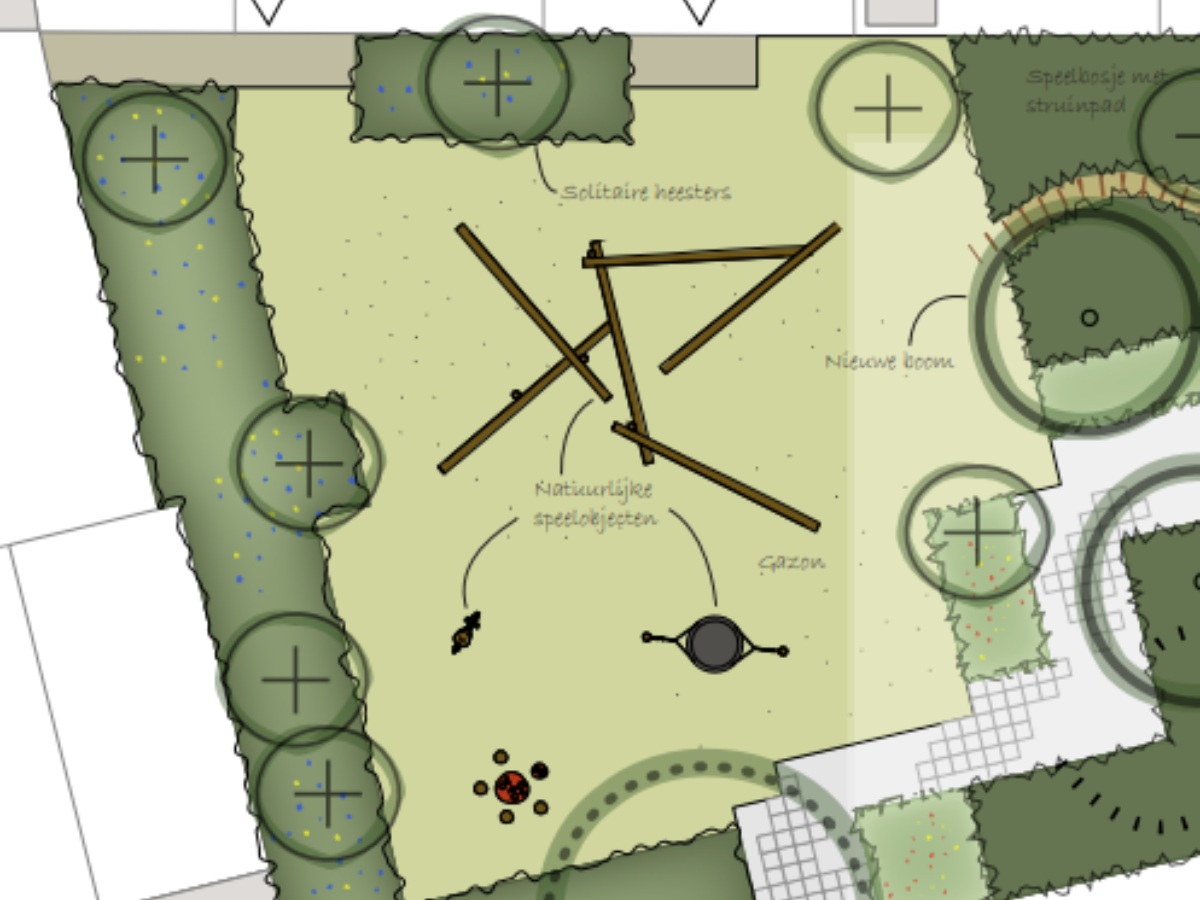
Example of a garden design: green play area
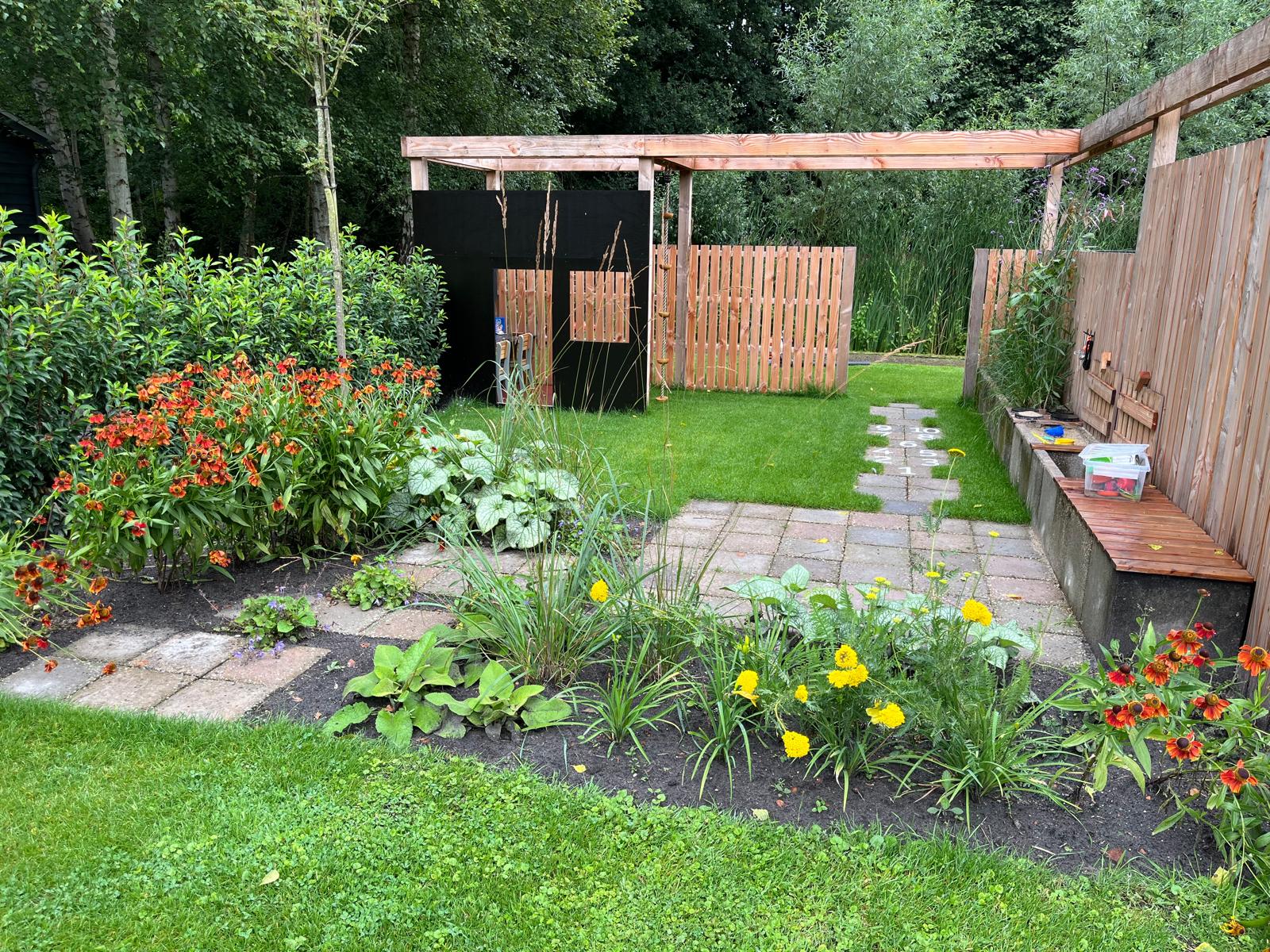
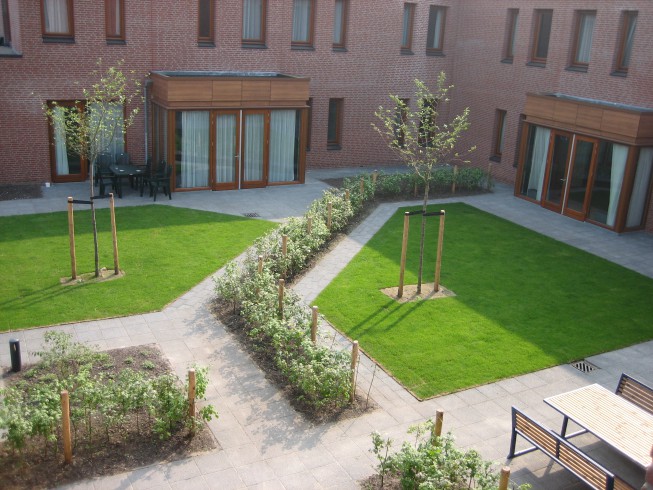
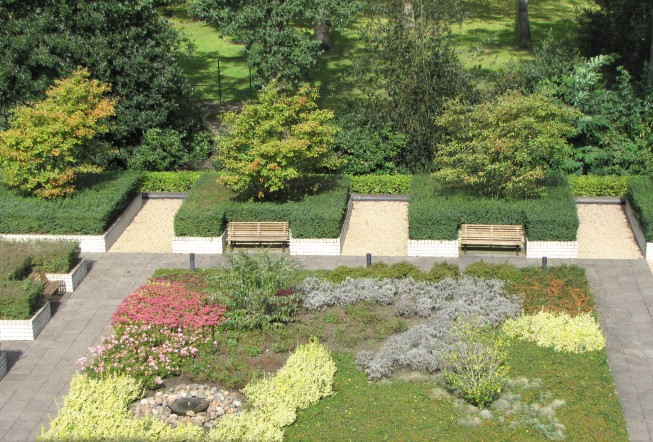
Commissioned by De Enk Groen en Golf and the municipality of Bergen (BUCH), Buro Mien Ruys designed a green, challenging play area with a focus on both children and nature. The play area incorporates natural elements such as wooden play equipment, trees, shrubs, and flowers. The green area is climate-adaptive, and the design emphasizes native and regionally inspired plants. An attractive play area for both children and residents!
The choice for green plants
Many people want a low-maintenance and attractive garden, but aren't sure which plants are best suited to their needs. Choosing greenery is essential. The right plants not only add color and ambiance, but also reduce maintenance, improve drainage, and provide cooling during hot spells.
A good design considers the soil, light, and function of the garden. This creates a green space that remains beautiful for years and contributes to a healthy living environment.
Who was Mien Ruys and how can we continue her work?
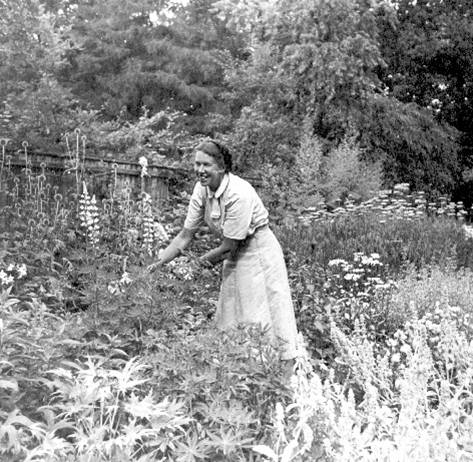
Mien Ruys is nationally and internationally renowned as a pioneer of modern garden architecture. Pursuing clean lines and using proven planting was her credo and remains the cornerstone of our work today. We proudly continue her vision and legacy. Do you want to create a garden design? And do you need professional insights? Feel free to contact us!
Frequently Asked Questions
Why is a green garden important for the climate?
What is modern garden architecture?
Why hire a professional garden designer?
Who was Mien Ruys and what is her influence on modern garden design?
How does 3D garden design work?
Other current affairs
Designing a garden? The biggest benefits of a green garden
More and more people are discovering the importance of greenery in their living environment. Not only because a garden full of plants, trees, and flowers looks beautiful, but also because it contributes to a healthier and more sustainable world. But what exactly are the benefits of a green garden? And what should you consider when creating a garden design?