
Greening the schoolyard? Bring the play area to life
Many schoolyards are still grey and functionally designed. They consist mainly of tiles and offer little challenge or experience for children. At the same time, problems such as heat stress, flooding, and a lack of physical activity are increasing.
That is why more and more schools are choosing to green their schoolyards. This creates a place where children play, discover, and learn in a natural environment. But what makes an outdoor space truly future-proof? And how do you go about it?
Why schools green their schoolyards
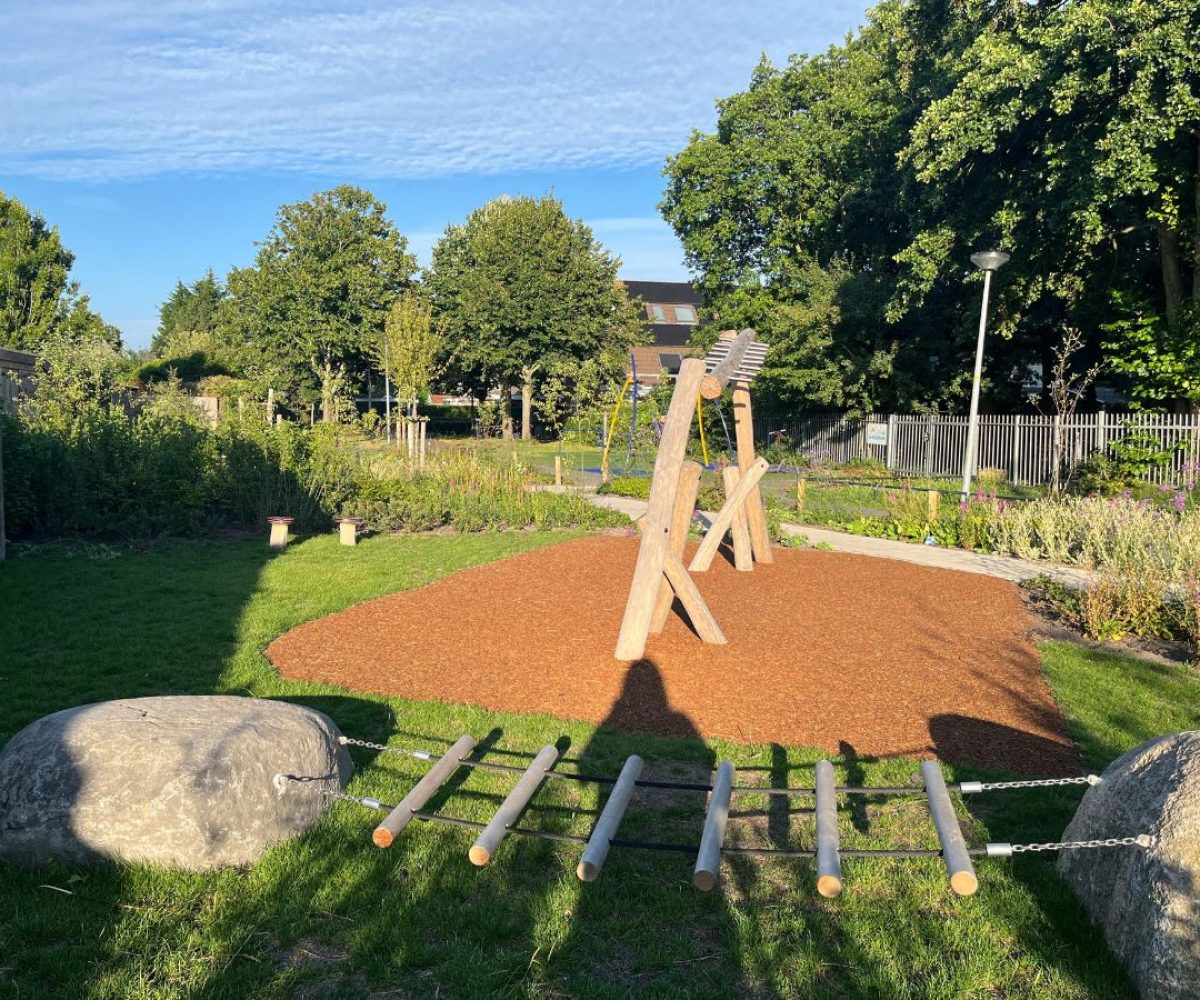
More and more schools, integrated child centres, childcare centres, and after-school care facilities are making the switch from a paved schoolyard to a green outdoor space. This is not without reason. A green schoolyard has a positive influence on both children and teachers. Children move more, play more creatively, and experience less stress. For teachers, too, a green environment offers moments of rest and recovery throughout the day.
In addition, a green schoolyard aligns with current themes such as climate adaptation, flooding, and heat stress. With more greenery and less paving, rainwater can be collected more effectively, and the yard remains cooler during warm days. The importance of green schoolyards is increasingly widely recognized. Therefore, various grants and funds are available to help schools make this step financially feasible. These include municipal and provincial schemes, national subsidies, or project-based contributions through organizations such as IVN, Jantje Beton, and Gezonde School. Through these schemes, schools can sometimes secure thousands of euros in funding for the creation of a green outdoor space.
What does a good green schoolyard look like?
A natural play environment does not arise on its own. It requires a well-thought-out design in which play, nature, and use come together.
A good green schoolyard contains:
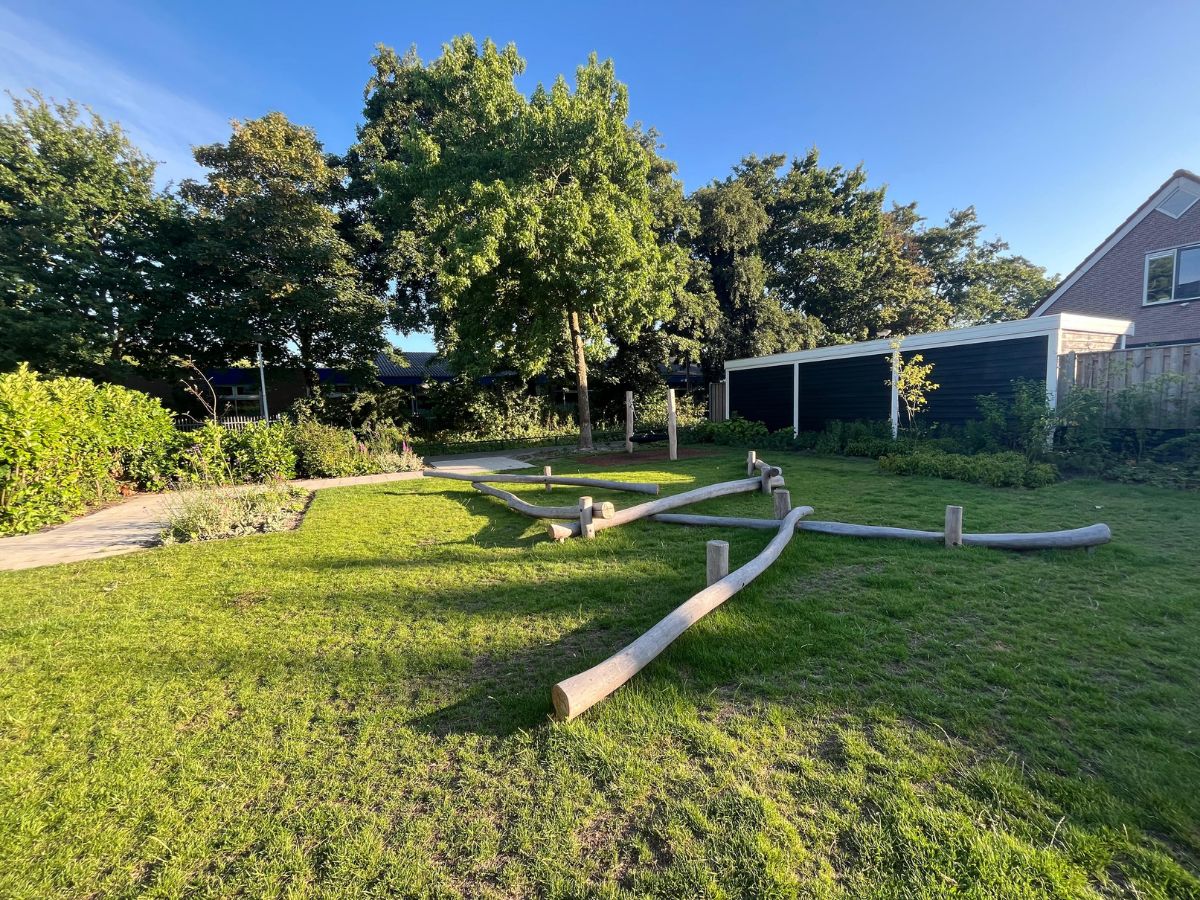
- Natural play elements such as hills, tree trunks, and sand
- Space for free play and discovery
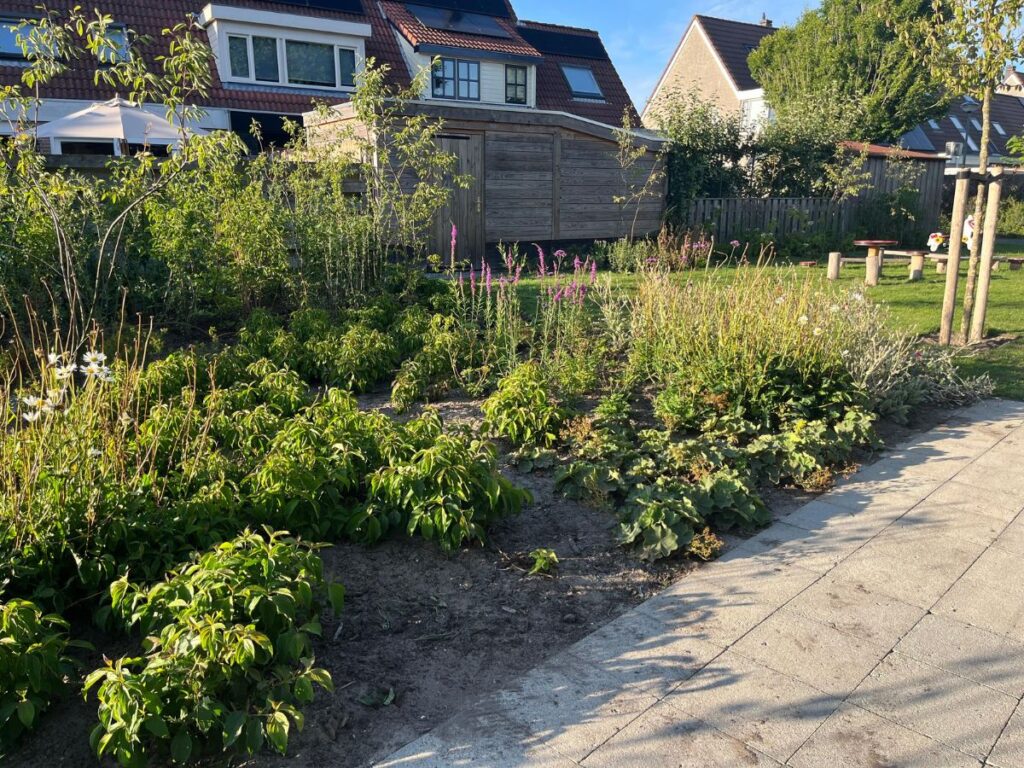
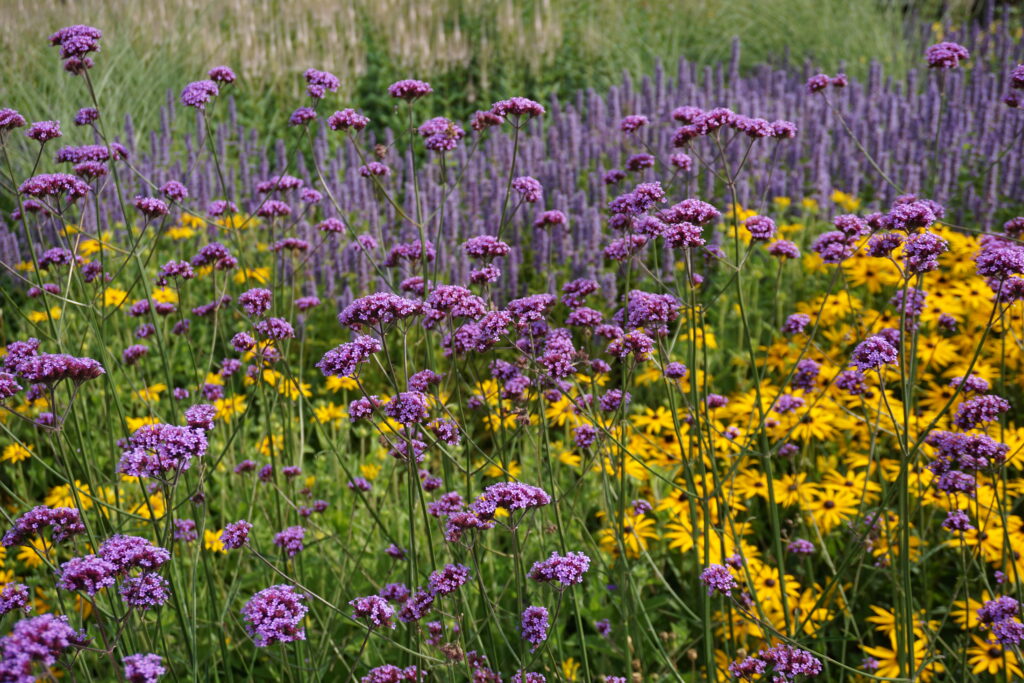
- Planting that suits the surroundings, preferably native
- Places for rest and shade
- Variation in height, material, and use
Increasingly, the choice is being made for a so-called green-blue schoolyard. This is an outdoor space where greenery is combined with smart water solutions, such as infiltration zones or wadis. In this way, rainwater is collected and reused, while simultaneously providing an opportunity for play.
Less heat and flooding
Greening a schoolyard contributes directly to a climate-resilient environment. By replacing tiles with greenery and water solutions, a yard is created that copes better with heat and precipitation.
The main benefits:
- Less heating of the school building and the outdoor area
- More shade and natural cooling
- Better water retention and less flooding
- Contribution to CO₂ storage
- Strengthening biodiversity
In addition, a living environment is created that is attractive to plants and animals. The addition of vegetation creates food sources, shelter, and nesting sites, making the square part of the local ecosystem.
Play and move more
A green environment also changes the way children play and develop. Instead of monotonous play, there is room for discovery, challenge, and initiative.
Green encourages:
- Active and creative play with natural elements
- Pushing boundaries and challenging play
- Curiosity and inquisitive behavior
- Development of self-confidence and resilience
The effects are also visible on a social and emotional level. Children play together more often, share more, and collaborate better. This can even lead to less bullying. In addition, children experience more influence over their environment, which contributes to a sense of control and involvement.
It is not only children who benefit. Teachers also experience the advantages: a green environment is relaxing and aids in recovery during the day.
Schoolyard as an extension of the classroom
Learning does not stop when children leave the classroom. It is precisely outdoors that children gain important experiences that contribute to their development, health, and social skills.
Learning outdoors contributes to:
- Better learning performance and concentration
- A healthier physical climate
- More exercise and vitamin D
- A dynamic learning environment
In terms of morals, children learn:
- Taking responsibility for their environment
- Develop environmentally conscious behavior
- Treat nature and each other with respect
Greening a schoolyard also increases knowledge of nature. Children learn through experience: they see seasons change, discover connections, and are given space to experiment. Everything is immediately visible and tangible, which reinforces the learning process.
Participation and design
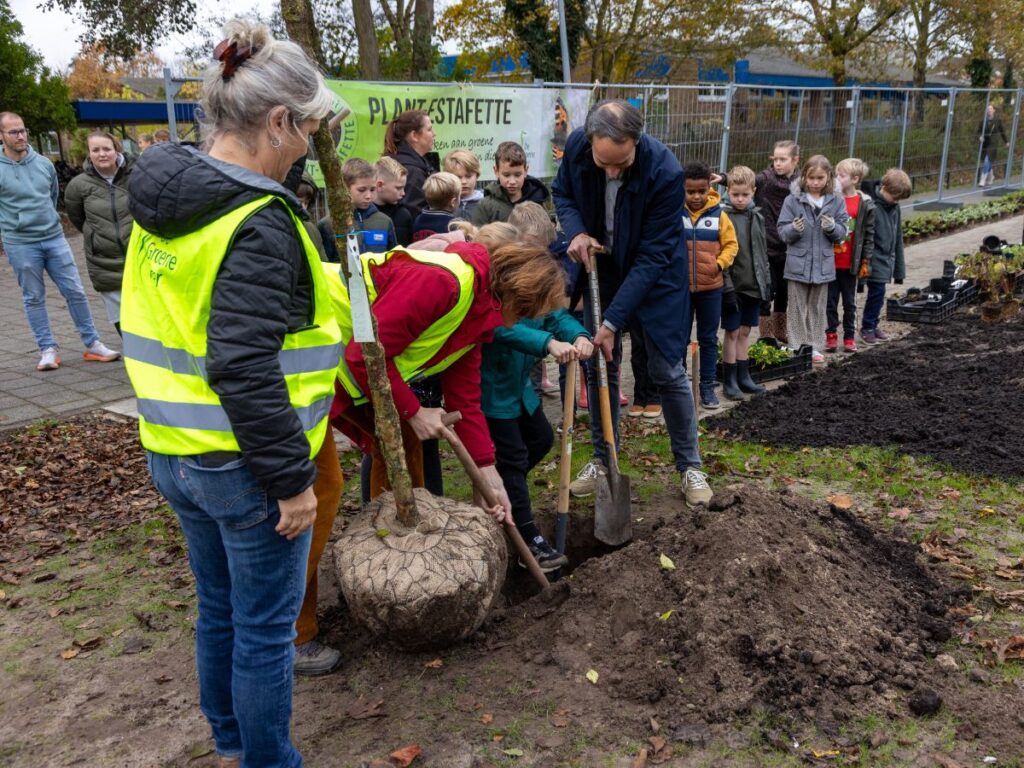
Participation is an important part of Buro Mien Ruys's working method. By involving students, teachers, and parents, a design is created that truly aligns with the use of the space. Children often know surprisingly well what they are missing on their playground and what they need.
We start with an analysis of the location, examining the existing situation, routing, sun and shade, greenery, safety, and the use of the space. Next, we translate the wishes and possibilities into a clear design vision with room for play, movement, nature, meeting, and outdoor education.
Next, we further develop the design step by step. This includes play zones, planting, water collection, seating areas, routing, and the use of materials. Management and maintenance are also included from the start, ensuring that the schoolyard is not only attractive but also remains practical and sustainable in use.
Finally, we take care of the technical elaboration and supervision of the realization, ensuring that the design is executed meticulously and the square truly comes to life.

Practical example
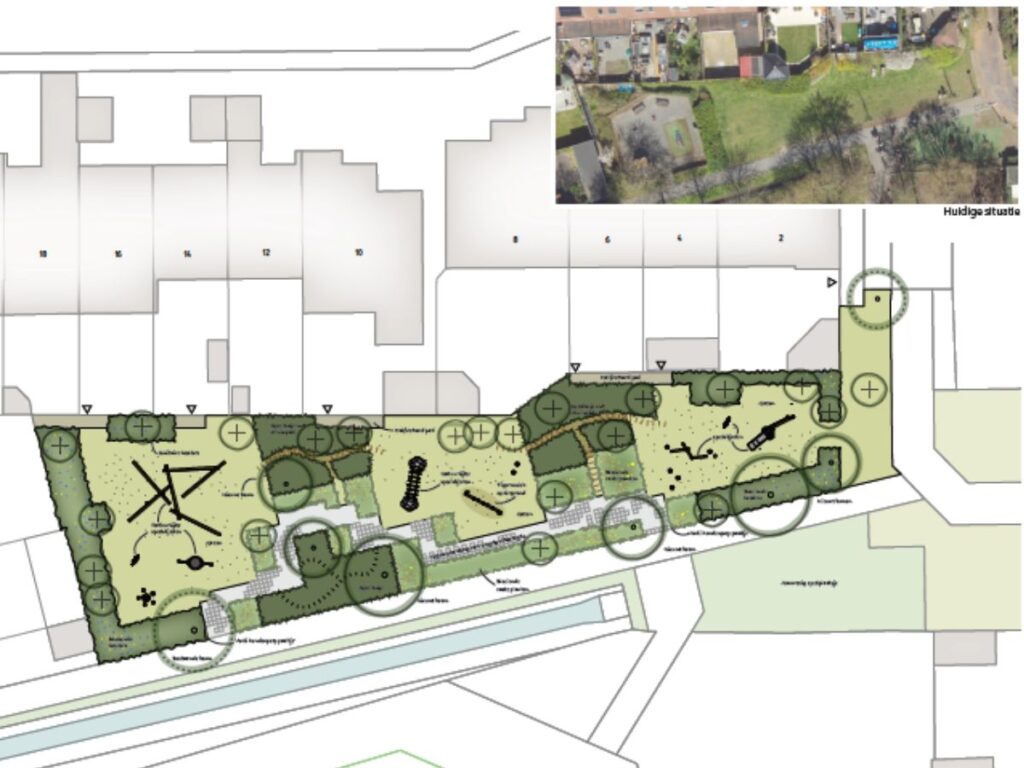
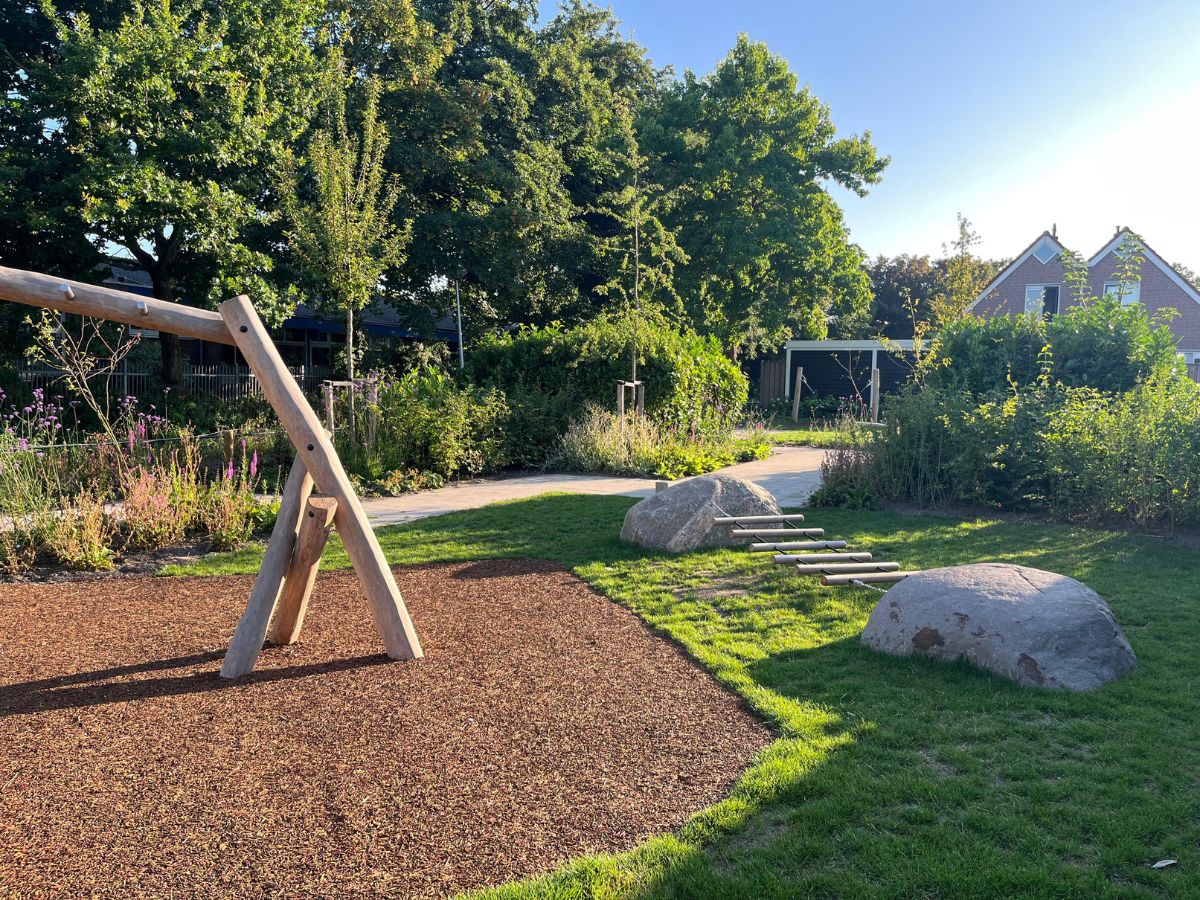
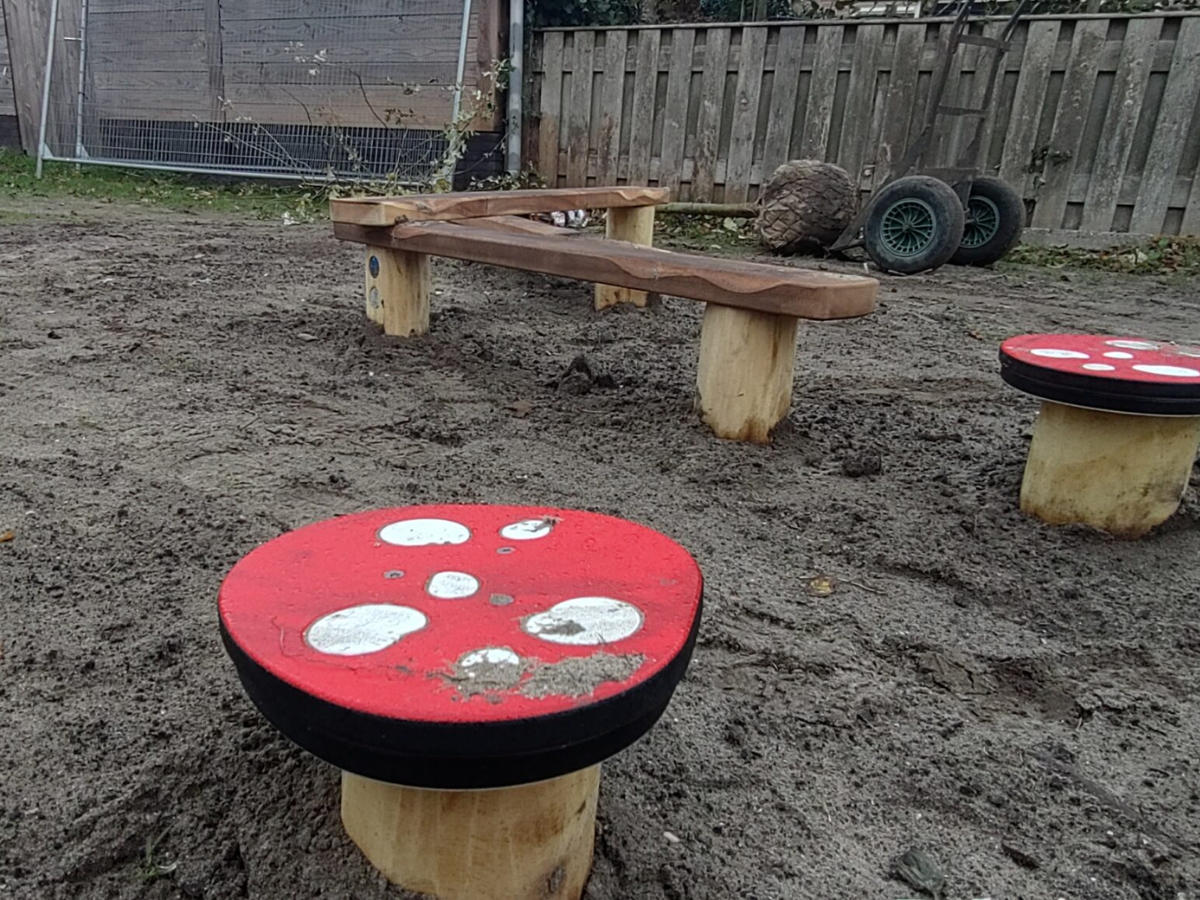
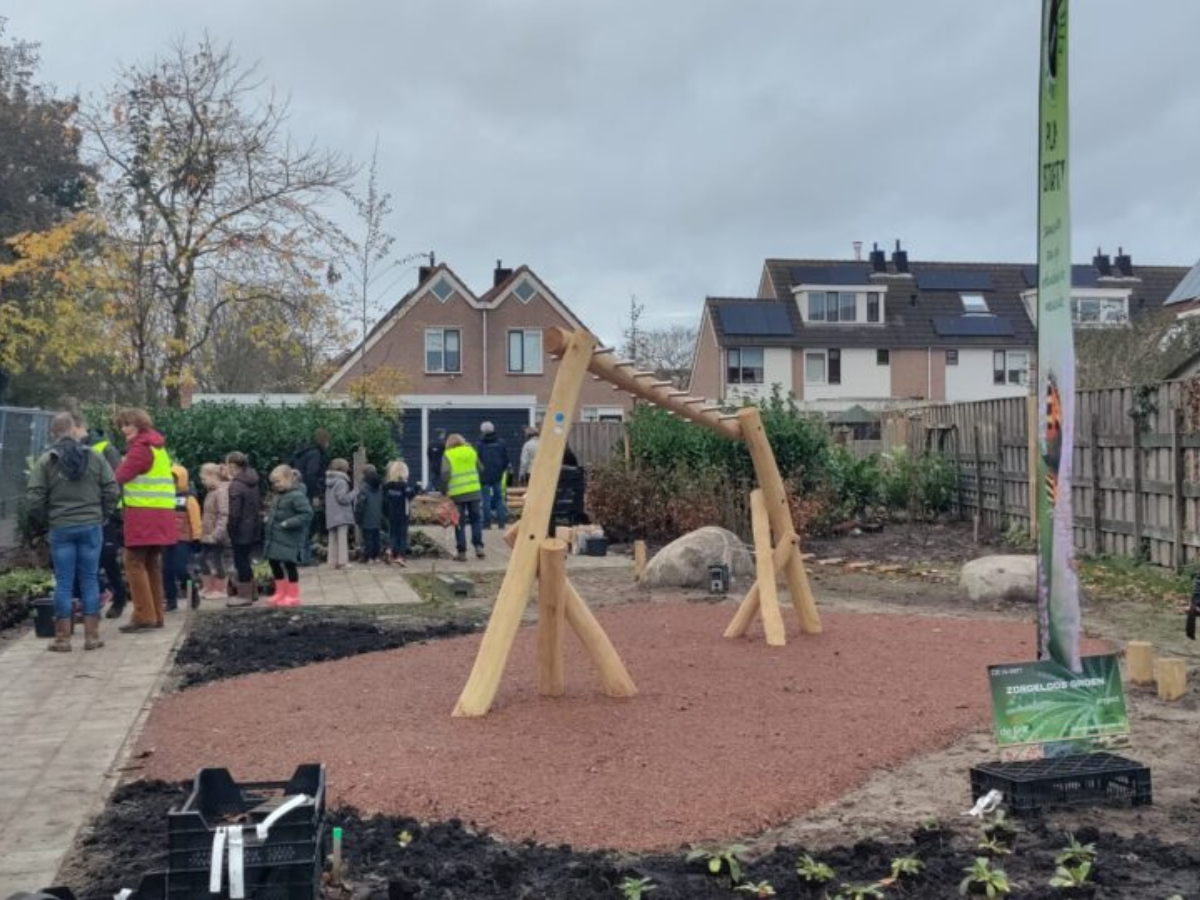
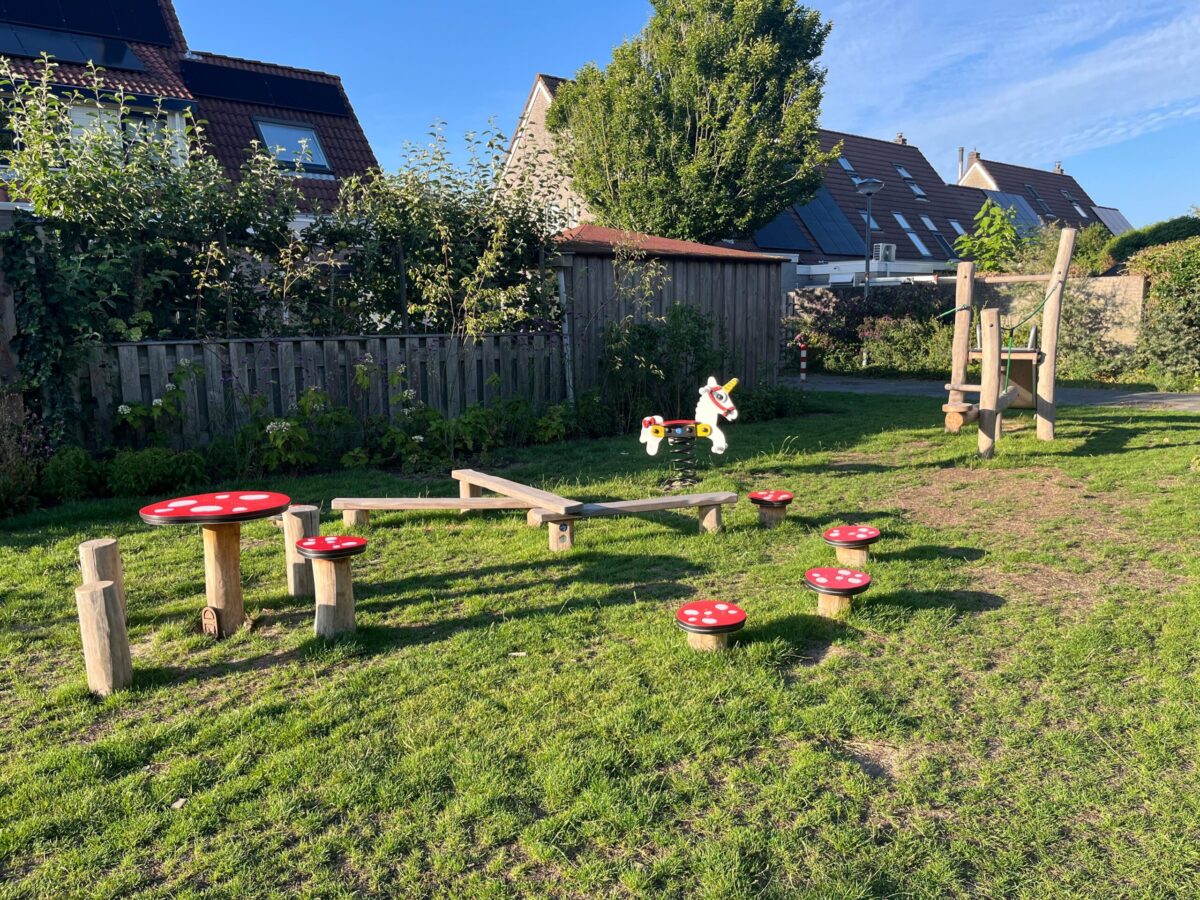
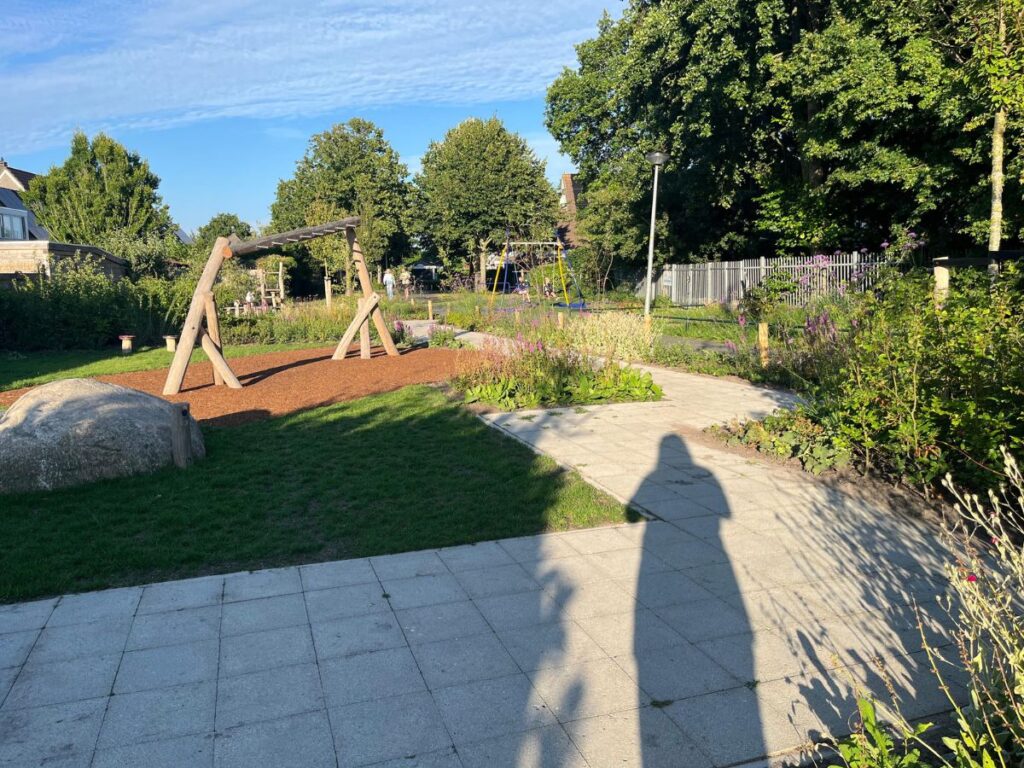
A good example of a successful transformation is the green playground in Egmond-Binnen. This place is located directly next to a school, which means many schoolchildren play on this playground.
Here, an outdated and paved playground has been transformed into a natural and challenging outdoor space.
The design features a combination of greenery, play opportunities, and space for meeting. Play for different age groups, natural materials, and planting provide variety and encourage children to explore. At the same time, attention has been paid to providing more shade and enhancing the ecological value of the site, making the square significantly more sustainable.
The result is a place where play and nature come together. Children use the square in a different way, with more movement, creativity, and interaction.
Need advice on greening your schoolyard?
Do you want to green your schoolyard, but don't know where to start? Or do you already have ideas, but are looking for a party that can translate them into a well-thought-out design?
We guide schools from the initial idea to realization. In doing so, we look not only at the design, but also at use, experience, and long-term management. Together with students, teachers, and other stakeholders, we develop an outdoor space that aligns with your vision and daily practice.
Whether it concerns an initial exploration, a sketch design, or a complete redesign, we are happy to think along with you.
Feel free to contact us for a no-obligation consultation.
Frequently Asked Questions
Why hire a design agency?
What is a green-blue schoolyard?
What are the costs of greening?
How does a green schoolyard contribute to climate adaptation?
Which child-friendly plants are suitable for a schoolyard?
What is a natural playground?
Other current affairs
Upgrade of Leeghwaterpark in Purmerend in full swing
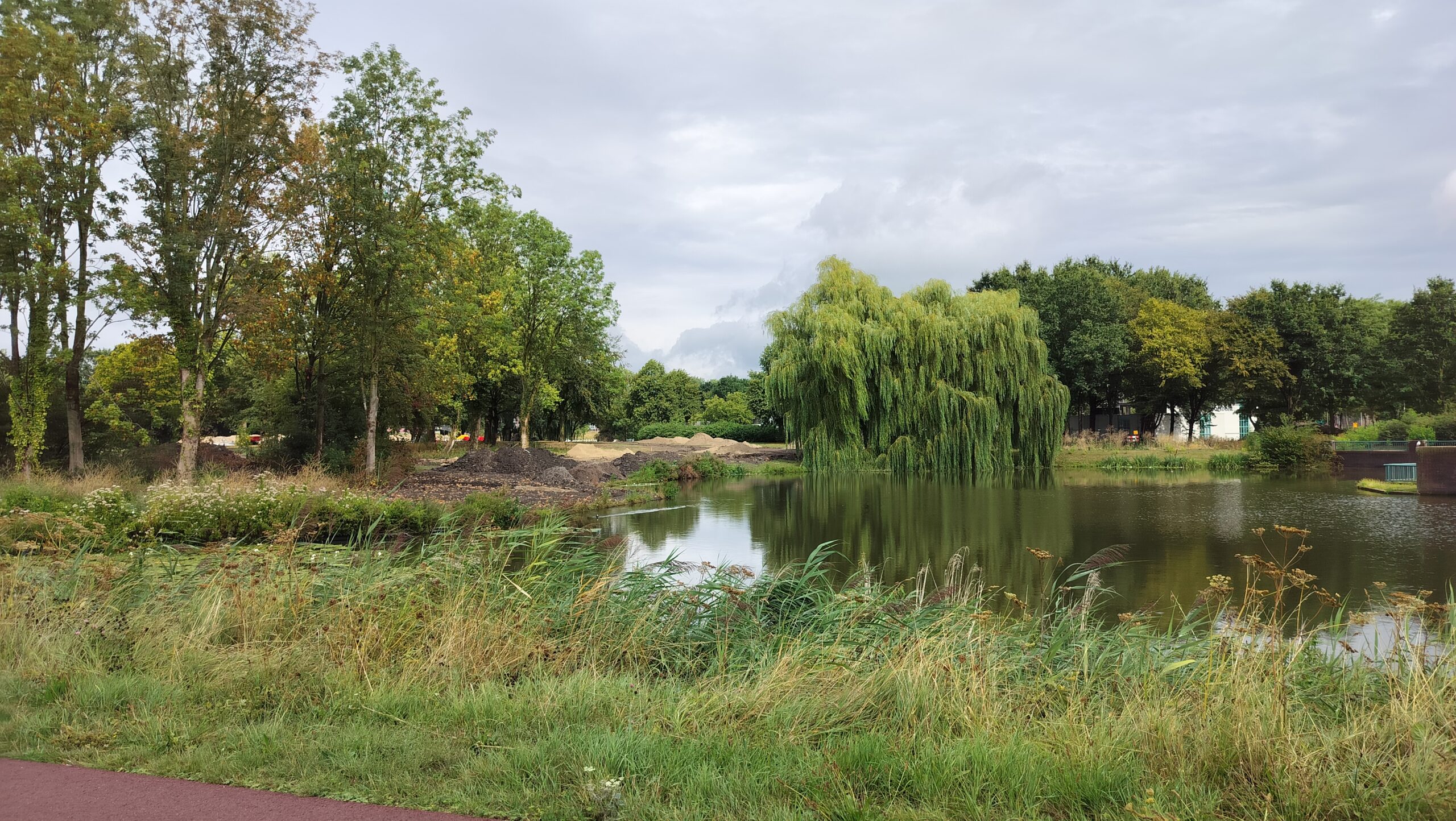
The upgrade of Leeghwaterpark in Purmerend is in full swing! Buro Mien Ruys developed the vision and design for the redesign of this 24-hectare city park. The plans are increasingly taking shape, and work is in full swing on the renewed layout of the park.
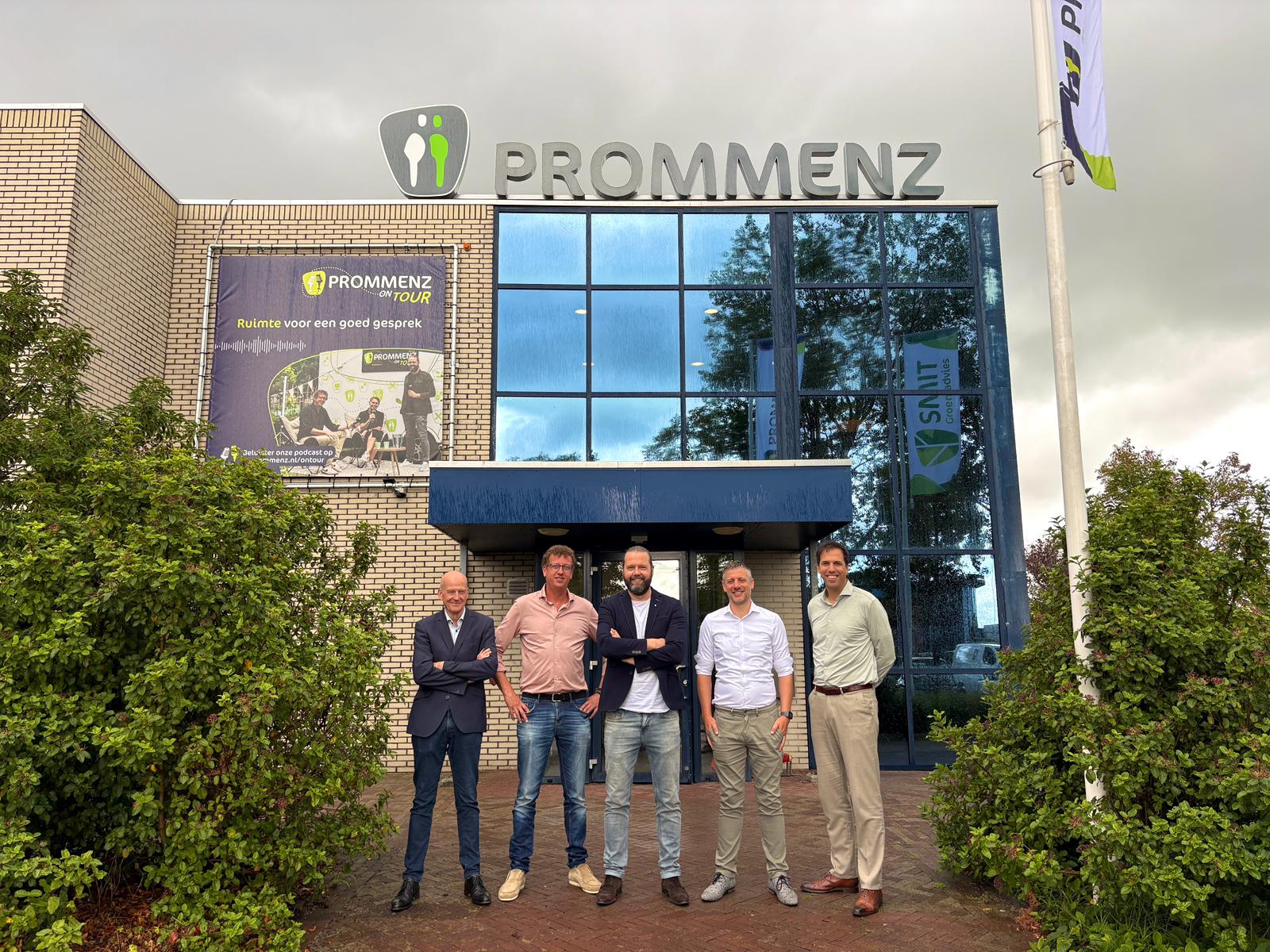

New corporate identity for Buro Mien Ruys! Together we are Prommenz
Prommenz is growing! And that is why we are taking the next step in our development as an organization. Over the past fifteen years, Prommenz has developed into an integrated consultancy and engineering firm. And Buro Mien Ruys has been part of that since 2023!